

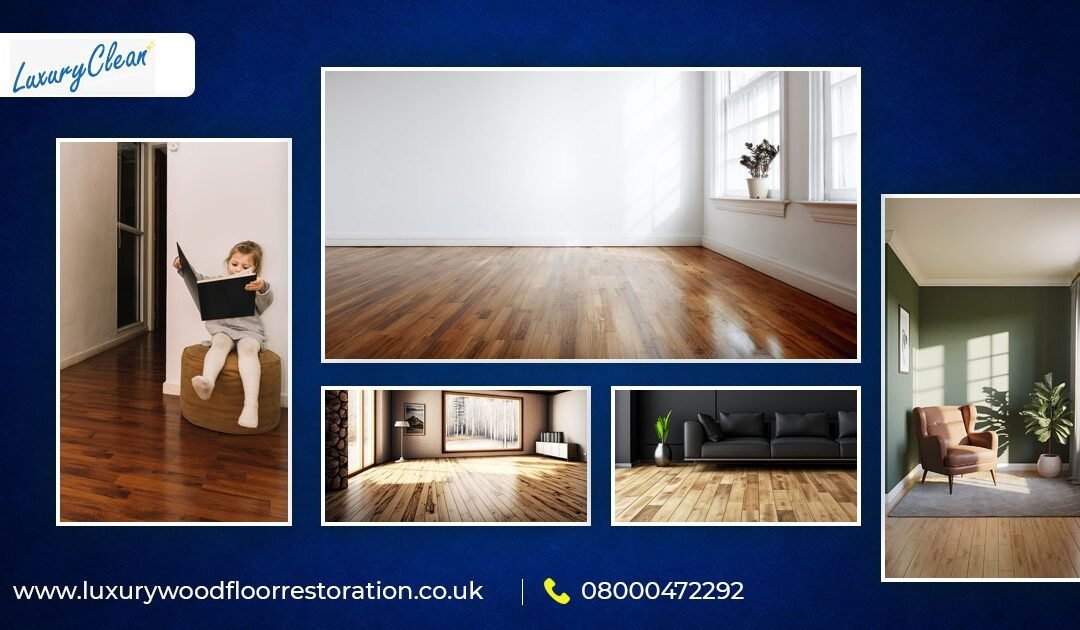
You move the furniture before the estate agent arrives and suddenly notice what the rug had been hiding: dull boards, scratched walkways and patches where the finish has worn thin. The floor still feels solid, but it no longer gives the room the same polished look.
That does not always mean you need full sanding before you sell. The real question is whether the wear simply shows the floor’s age or makes buyers think the home has not been properly maintained. Choosing the right level of restoration can improve that first impression without doing more work than the floor actually needs.
Buyers See Worn Floors as More Than a Cosmetic Problem
Grey traffic lanes, dull patches, exposed timber and deep scratches can make a well-presented space feel tired. Buyers may then wonder whether the house needs other work too.
For sellers considering hardwood restoration in Chelsea, that reaction matters because property condition forms part of a valuation. Estate agents assess internal features such as flooring when they judge a home’s condition and value.
When Normal Character Starts Looking Like Neglect
Old timber can add warmth and character. Small colour changes and a few age marks do not automatically create a problem.
The balance changes when wear dominates the room. Bare patches in doorways, dark traffic routes or widespread scratches can suggest delayed maintenance.
Floor Condition Can Shape the Buyer’s First Price Judgment
Listing photographs often show large areas of flooring, so worn surfaces can stand out before a viewing even starts. Once buyers arrive, the entrance hall and living room can reinforce that first impression.
Why Visible Wear Can Feel More Expensive Than It Is
Most buyers do not know what a worn floor needs. A dull finish may look like a full sanding job to them. A dark patch can suggest permanent damage. That uncertainty can turn a manageable maintenance job into a bigger concern.
Not Every Worn Floor Needs a Full Refinish Before Selling
If you are considering hardwood restoration in Belgravia, match the treatment to the condition. Luxury Clean offers lighter maintenance as well as full restoration. Its service information recommends screen and recoat for minor scratches, dullness and light wear, while full sanding suits deeper scratches, discolouration and more serious damage.
Cleaning or Polishing
Choose a clean and buff when dirt, residue or lost sheen creates most of the problem. This approach can improve presentation without removing the existing finish. Luxury Clean describes the service as machine cleaning followed by polishing to improve the floor’s appearance.
Screen and Recoat
Consider this route when the existing finish shows light wear, but the timber underneath still looks sound. The process lightly abrades the surface and adds a fresh protective coat.
Full Refinishing
Choose full sanding when damage reaches beyond the surface finish. Deep scratches, uneven colour, stains or widespread wear can justify the extra work. Luxury Clean positions full sanding as the more intensive option for significant surface damage.
The Best Pre-Sale Fix Depends on What Buyers Will Notice
Do not give every mark equal importance. Start with the entrance hall, living room, main walkway and any room that appears prominently in listing photographs. These areas shape the buyer’s first impression.
Look at the Floor the Way a Buyer Will
Open the curtains and inspect the floor in daylight. From the doorway, look at the room as a buyer would rather than standing directly over the damage. Then compare exposed boards with areas that furniture or rugs have covered.
When Refinishing Before Listing Is Worth the Investment
Restoration makes the strongest case when the timber remains sound and the finish makes an otherwise attractive room look neglected. In that situation, improving the floor can support a cleaner, better-maintained presentation.
When Restoration May Be Worth Doing
Consider treatment when wear appears across key rooms, when photographs emphasise dull areas, or when a contained job could change the whole feel of the space.
The aim should not involve making an older floor look brand new at any cost. Focus on removing the signs of neglect that could distract buyers from the rest of the property.
When Selling As-Is May Make More Sense
Skip major work when the floor has structural problems, the next owner will probably renovate extensively, or the cost and disruption outweigh the likely presentation gain.
Selling without restoration can also make sense when you need to list quickly or when broader renovation work will influence the sale more than the floor itself.
Fix the Uncertainty Buyers See, Not Just the Scratches
Most sellers should not sand a floor simply because it looks old. Start with what buyers will notice. If you are arranging hardwood restoration in Cobham, choose the lightest treatment that makes the floor look clean and maintained.
Cleaning may be enough. A worn protective finish may call for recoating, while heavier damage can justify sanding.
That approach protects your budget. It also addresses the issue that matters most before a sale: buyer confidence.
Closing Insight
Worn floors cause the most trouble when buyers read them as evidence of wider neglect. Restore enough to remove that doubt. Do not pay for a complete reset when a lighter treatment can do the job.